 Balance · Harmony · Prosperity
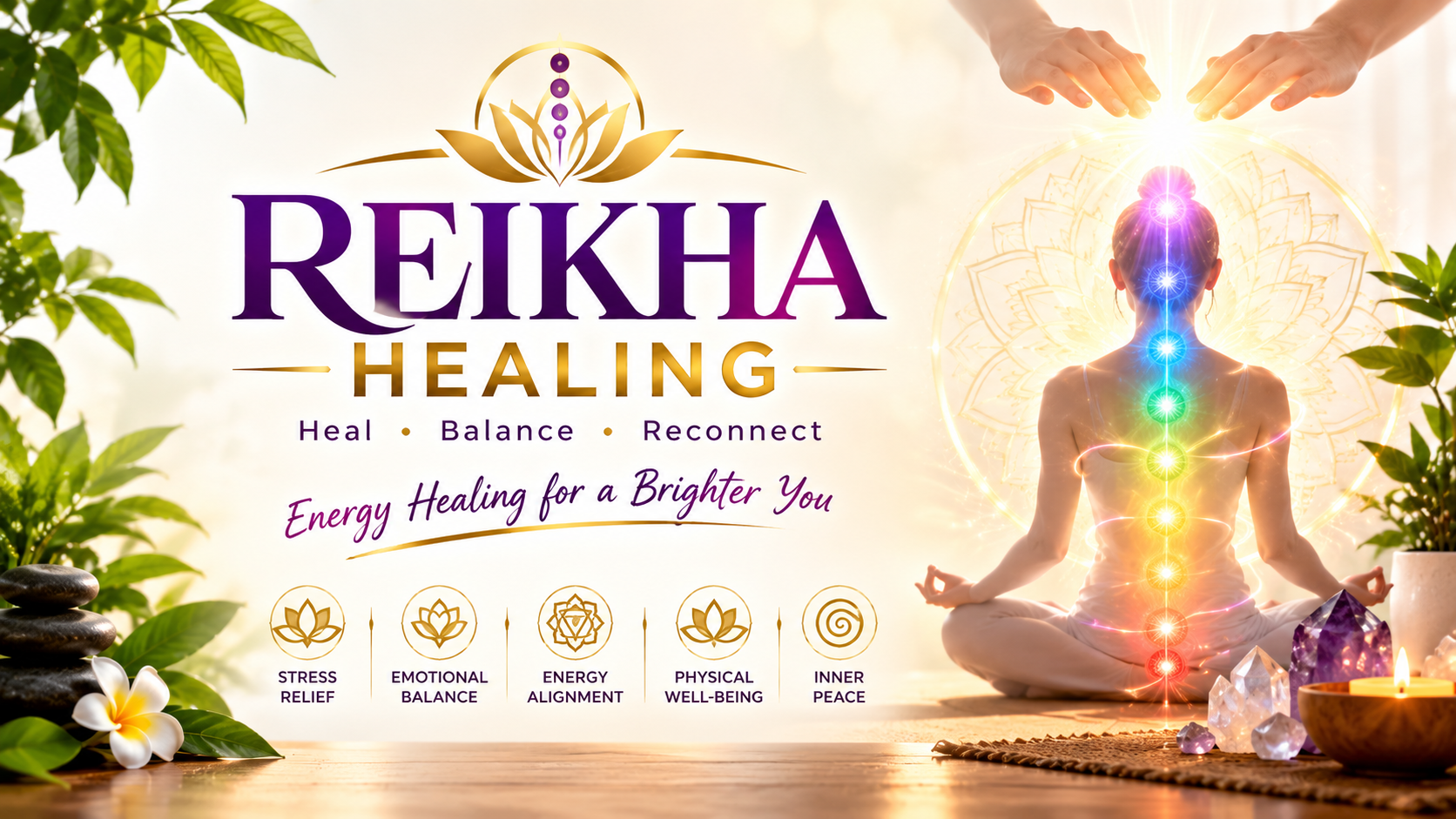
Reiki Healing is a traditional Japanese energy-based wellness practice that focuses on relaxation, mindfulness, and a sense of inner balance. Rooted in the Japanese concept of universal life energy, Reiki is practiced by people seeking emotional calm, spiritual awareness, and a more peaceful approach to everyday life.
In today's fast-paced world, stress, emotional pressure, and demanding routines can make it difficult to maintain a sense of inner peace. Reiki Healing Therapy offers a gentle, complementary approach to wellness that encourages relaxation, self-awareness, and harmony between mind, body, and spirit.
At Infinite Vastu, Reiki Healing is explored as part of a holistic approach to personal well-being, helping individuals create space for mindfulness, emotional balance, and spiritual growth.
What Is Reiki Healing?
Reiki Healing is a Japanese complementary wellness practice developed by Mikao Usui in the early twentieth century. The word Reiki is commonly interpreted as a combination of Rei, meaning universal, and Ki, meaning life energy.
During a Reiki session, a practitioner typically places their hands lightly on or just above different areas of the body. The session takes place in a calm environment, allowing the recipient to relax and focus on their overall well-being.
Reiki is associated with relaxation, meditation, and spiritual reflection. However, scientific evidence for the idea that Reiki works by transferring a measurable healing energy remains limited. It should not replace professional medical care.
How Does Reiki Healing Work?
Reiki practitioners traditionally believe that universal life energy is connected with overall harmony and well-being. Reiki sessions are designed to provide a peaceful setting where individuals can slow down, relax, and reconnect with themselves.
A typical Reiki Healing session may involve:
- Relaxation: Sitting or lying comfortably in a peaceful environment.
- Gentle Hand Positions: The practitioner places their hands lightly on or above different areas of the body, depending on the recipient's preferences.
- Mindful Awareness: The recipient focuses on breathing, relaxation, and their present experience.
- Quiet Reflection: The session concludes with time to notice sensations, emotions, or changes in how the person feels.
Experiences vary from person to person. Some people report feeling relaxed or peaceful, while others may not notice a significant change.
Benefits of Reiki Healing for Mind, Body & Spirit
Reiki is often incorporated into wellness routines to support relaxation and personal reflection. Although research on its effectiveness remains limited, some individuals find the experience calming.
1. Reiki Healing for Stress Relief
Everyday responsibilities, work pressure, and personal challenges can contribute to stress. A Reiki session provides dedicated time for quiet relaxation, helping individuals step away from daily distractions.
For some people, this peaceful experience can complement other stress-management practices, such as meditation, breathing exercises, and regular physical activity.
2. Emotional Balance and Inner Peace
Emotional well-being plays an important role in everyday life. Reiki sessions may provide a comfortable opportunity to pause, reflect, and become more aware of personal feelings.
People who enjoy quiet, mindful practices may find Reiki helpful as part of a broader emotional wellness routine. It is not a substitute for professional mental health support when needed.
3. Supporting Mindfulness and Self-Awareness
Mindfulness involves paying attention to the present moment without immediately judging thoughts or feelings.
Reiki sessions often encourage a similar atmosphere of stillness and awareness. This can help participants dedicate time to themselves and develop a more mindful approach to everyday experiences.
4. Spiritual Growth and Personal Connection
For those interested in spirituality, Reiki may serve as a complementary practice for reflection, intention-setting, and exploring a deeper sense of connection with themselves.
Spiritual experiences are personal and vary according to individual beliefs and traditions. Reiki does not require a specific religious affiliation.
5. Relaxation and Improved Sense of Well-Being
A quiet environment, gentle touch when welcomed, and uninterrupted rest can contribute to a relaxing experience.
Some people choose Reiki as a complementary wellness activity alongside healthy sleep habits, balanced nutrition, exercise, and other established self-care practices.
Reiki should not be considered a proven treatment for physical illnesses or a guaranteed method of improving sleep.
Understanding the Connection Between Mind, Body & Spirit
The idea of balancing mind, body, and spirit is central to many holistic wellness traditions. Each aspect represents a different dimension of a person's overall experience.
Mind: Mental calmness, awareness, and the ability to manage everyday stress.
Body: Physical comfort, relaxation, movement, and attention to everyday health needs.
Spirit: Personal meaning, inner reflection, values, and a sense of connection with life.
Reiki Healing brings these themes together through a practice centered on relaxation and personal awareness. Although the idea of energetic balance is part of Reiki's traditional philosophy, it is not a scientifically established explanation for treating illness.